
Melanotan I
-
Detail
Melanotan-1 Overview
Melanotan-1 is a synthetic peptide compound. Its chemical structure is similar to that of the human natural hormone α-melanocyte-stimulating hormone (α-MSH), and it mainly exerts its effects through subcutaneous injection.Its core mechanism is to mimic the function of α-MSH, activate the melanocytes in the skin, and promote the production and distribution of melanin, thereby darkening the skin color and achieving the effect of artificial tanning. This effect is believed to enhance the skin's natural protection against ultraviolet rays and reduce the damage to the skin caused by direct sunlight.As a non-specific melanocortin receptor agonist, Melanotan-1 may have a wide range of effects by influencing various physiological processes, including regulating skin pigmentation and potentially improving symptoms related to photosensitivity.
Melanotan-1 Structure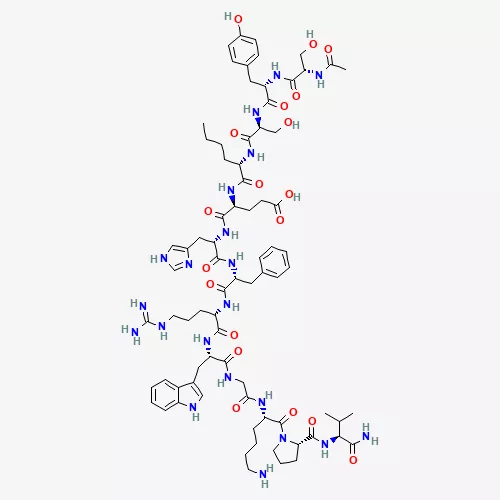
Sequence: Ser-Tyr-Ser-Nle-Glu-His-D-Phe-Arg-Trp-Gly-Lys-Pro-Val
Molecular Formula: C78H111N21O19
Molecular Weight: 1646.8g/mol
CAS Number: 75921-69-6
PubChem CID: 16154396
Synonyms: Afamelanotida; NDP-MSH
Melanotan-1 ResearchWhat is the research background of Melanotan-1?
Melanotan-1 is a synthetic analog of α-melanocyte-stimulating hormone (α-MSH). α-MSH is produced by specific cells in the human body and plays an important role in physiological processes such as pigmentation. In order to explore its applications in different fields, researchers developed Melanotan-1. In-depth research on α-MSH led to the birth of Melanotan-1. α-MSH is known to play a key role in stimulating the production of melanin, and Melanotan-1 was designed to have stronger activity and specific functions, such as in skin tanning and potential photoprotective effects[1] .
What is Melanotan-1?
Melanotan-1 is a synthetic analog of α-melanocyte-stimulating hormone. By binding to the MC1R on melanocytes, it stimulates melanocytes to produce melanin. It has shown significant efficacy in the treatment of erythropoietic protoporphyria and also has potential application prospects in the treatment of other skin diseases.
Melanotan-1 has the characteristic of a long-lasting effect. It can continuously stimulate melanocytes in the body to produce melanin, thus providing long-term therapeutic effects. Compared with some other treatment methods, Melanotan-1 does not require frequent administration, reducing the treatment burden on patients. In clinical studies, Melanotan-1 has shown good safety. Common adverse reactions include headache, nausea, vomiting, etc., but they are generally mild and can be relieved through appropriate treatment. In addition, Melanotan-1 has little toxicity to important organs such as the liver and kidneys, providing a certain safety guarantee for its clinical application.
What is the specific mechanism by which Melanotan-1 prevents sun damage?
Melanin in the skin plays a role in absorbing ultraviolet rays and free radicals, thus protecting the skin from ultraviolet damage. Ultraviolet radiation can cause mutations in the genes of skin cells and is the main cause of various skin cancers. The presence of melanin can reduce the direct exposure of ultraviolet rays to skin cells and lower the risk of gene mutations. After the skin is exposed to ultraviolet rays, it will cause an increase in the activity of melanocyte-stimulating hormone receptors, resulting in an increase in eumelanin in epidermal melanocytes. As an analog of α-melanocyte-stimulating hormone, Melanotan-1 can mimic this process and promote the production of melanin[2] . By increasing the melanin content in the skin, Melanotan-1 can reduce the direct damage of ultraviolet rays to skin cells. Studies have shown that after using Melanotan-1, the skin's tolerance to ultraviolet rays is enhanced, and the occurrence of sunburn is reduced. Compared with traditional tanning methods such as sun tanning and the use of tanning products, Melanotan-1 has some unique advantages. Sun tanning requires long-term exposure to the sun, which is likely to cause skin sunburn, aging, and an increased risk of skin cancer. The use of tanning products may have problems such as skin irritation and allergies caused by chemical components. Melanotan-1, through subcutaneous injection, can more precisely control the production of melanin and reduce the adverse effects on the skin.
What is the specific mechanism of action of Melanotan-1 in the treatment of vitiligo?
Stimulating melanin production: Melanotan-1 can stimulate melanocytes to produce melanin. Melanin is an important substance that determines skin color. In patients with vitiligo, due to damaged or abnormal melanocytes, white patches appear on the skin. Melanotan-1 promotes the proliferation and differentiation of melanocytes and increases the synthesis of melanin by activating specific signaling pathways [3].
Regulating the immune system: Vitiligo is considered an autoimmune disease, in which the immune system abnormally attacks melanocytes. Melanotan-1 may play a role in regulating the immune system and reducing the attack on melanocytes. It may regulate the immune response by influencing the activity and function of immune cells, thus relieving the symptoms of vitiligo.
Antioxidant effect: Oxidative stress also plays an important role in the pathogenesis of vitiligo. Melanotan-1 may have certain antioxidant capacity and reduce the damage of oxidative stress to melanocytes. It can neutralize free radicals, protect melanocytes from oxidative damage, and help maintain the normal function of melanocytes.
What research data support the specific effects of Melanotan-1 in the treatment of erythropoietic protoporphyria?
Erythropoietic protoporphyria (EPP) is a hereditary porphyrin metabolic disorder in which patients experience acute phototoxic reactions, severely affecting their quality of life. As a synthetic analog of α-melanocyte-stimulating hormone, Melanotan-1 has the following research data to support its specific effects in the treatment of EPP:
Improving light tolerance: In multiple clinical studies, Melanotan-1 has been proven to improve the light tolerance of EPP patients. For example, in the Phase III trial CUV039, treatment with Melanotan-1 improved the light tolerance of EPP patients. Compared with the placebo, treatment with Melanotan-1 enabled patients to spend more time in direct sunlight without pain and increased the time until the initial symptoms of phototoxicity caused by a standardized light source appeared[4] .
Improving quality of life: Multiple studies have shown that treatment with Melanotan-1 can improve the quality of life of EPP patients. In different clinical trials, after receiving Melanotan-1 treatment, patients' quality of life was evaluated using validated questionnaires, and the results showed an improvement in quality of life [4].
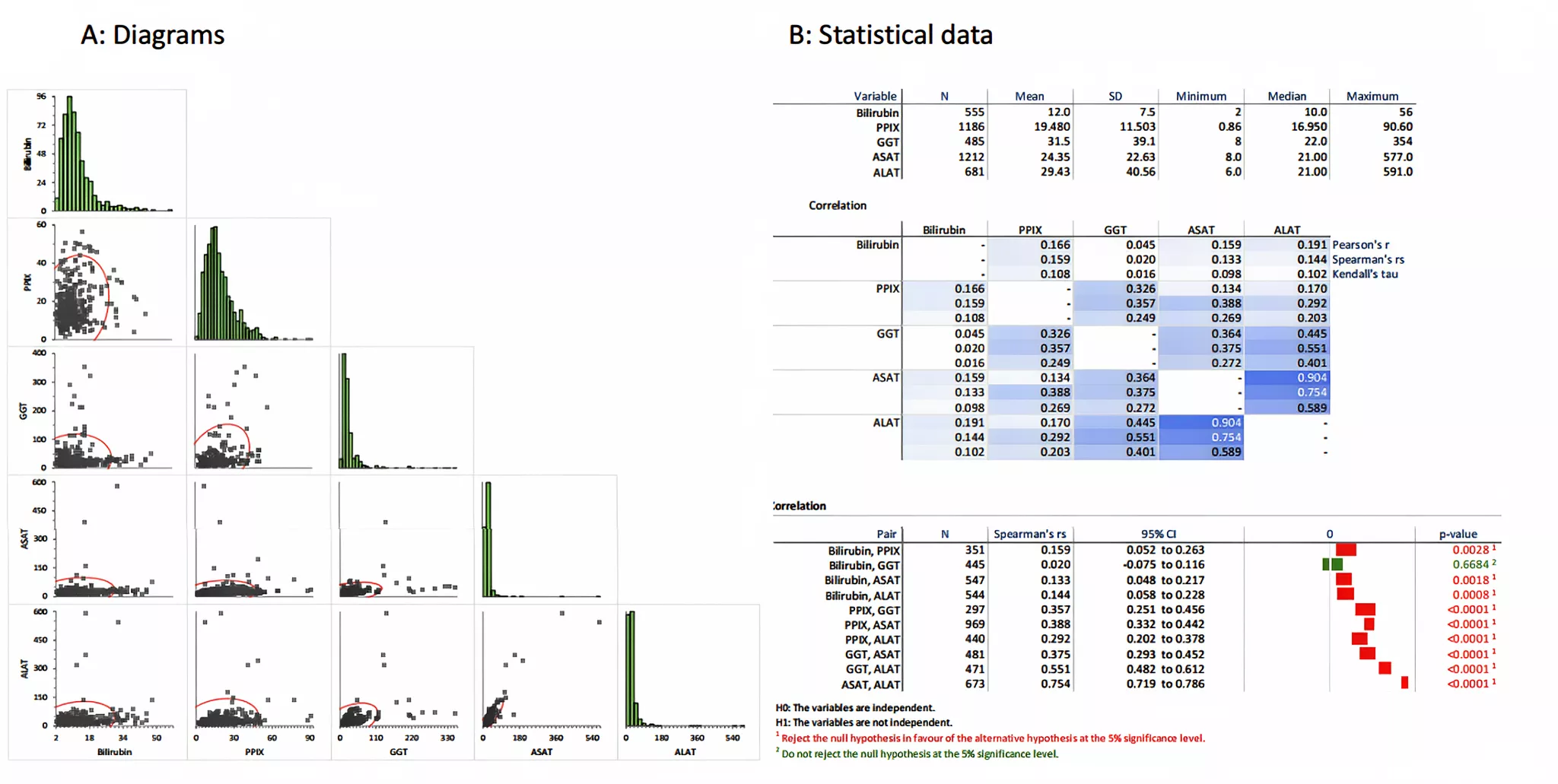
Protective effect on liver function: Studies have found that Melanotan-1 may have a protective effect on the liver function of EPP patients. In a retrospective observational study, 2933 liver function tests, 1186 protoporphyrin concentration tests, and 1659 Melanotan-1 implant applications of 70 EPP patients were included. The results showed that as the number of days since the last Melanotan-1 implant increased, the protoporphyrin (PPIX) concentration increased significantly (p < 0.0001); while in the past 365 days, as the Melanotan-1 dose increased, alanine aminotransferase (ALAT) and bilirubin decreased significantly (p = 0.012, p = 0.0299). This indicates that Melanotan-1 has a dose-dependent protective effect on the liver function of EPP patients[5] .
-
Customer ReviewsNo comments